
Child Therapy for ADHD, Trauma and Emotion Regulation, and more.
ONLINE AND IN-PERSON SESSIONS IN BURLINGTON & CALGARY | EXPERIENCED CHILD THERAPIST
Child and Youth Therapy
Therapy for children
Children experience big feelings with little to limited vocabulary to manage and deal with things on their own. From starting grade school, to experiencing new and big emotions, to make friends and navigating home life, those are milestones and life transition that occurs in their life. But, just like adults, children can also hit some bumps along the way for them to have an enjoyable life.
Who we see for children therapy:
Therapy for child abuse
Therapy for children with ADHD, emotional regulation, and school related concerns.
Children who have experienced or exposed to trauma
Children when parents are going through separation or divorce
Children where there is abuse or domestic abuse at home
Children who have experienced neglect
Child who have symptoms of PTSD, anxiety, stress, depression, anger, mood swings, trust issues, don’t know how to regulate their emotions.
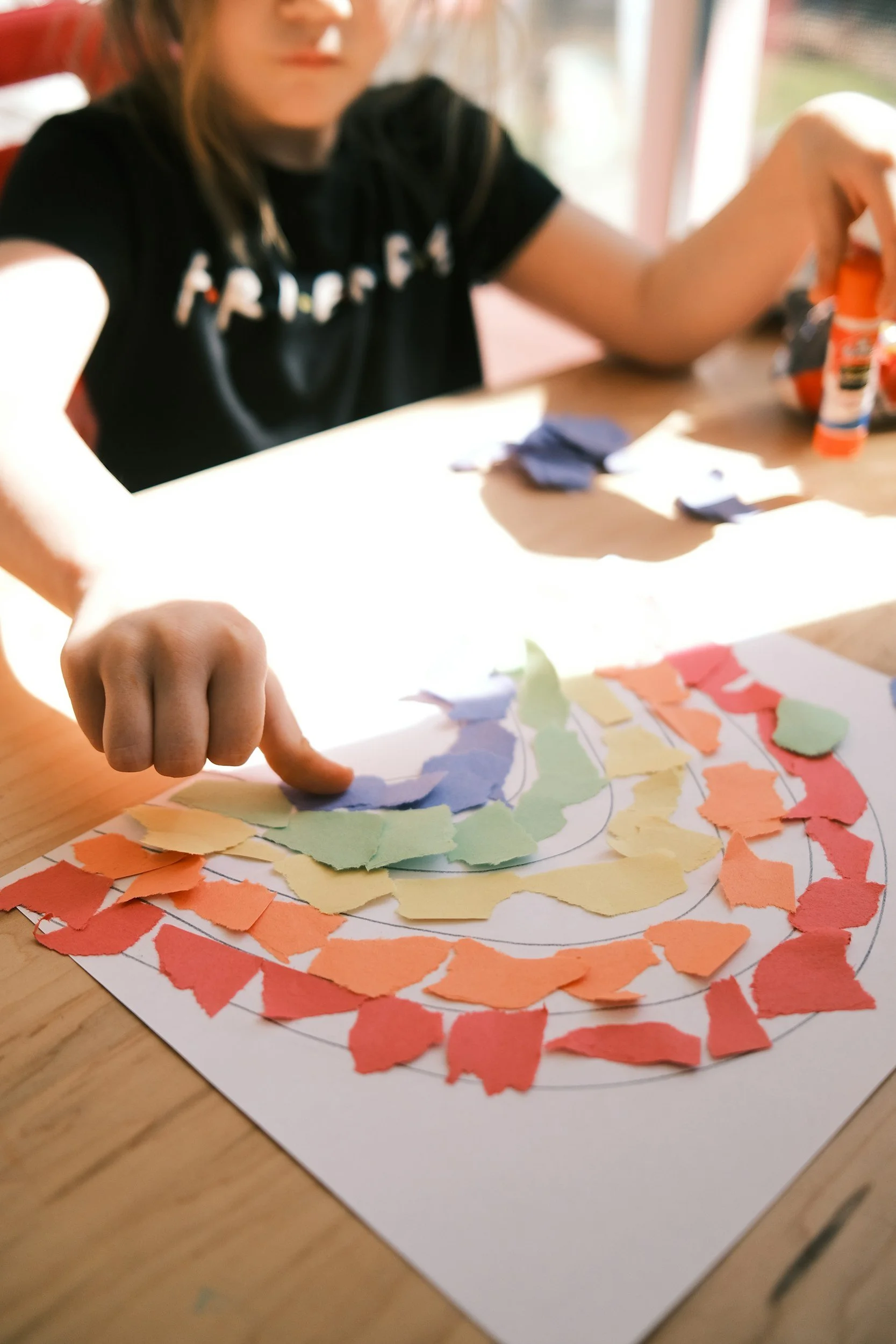
Our goal is to empower children and teach them life skills in a safe and supportive environment which they can use in their everyday life.
At The Therapeutic Way, we offer therapy for children in Burlington and Calgary from the age of 5. When children have experiencing mental health concerns, they may not be able to talk about it, but it can show up in different ways. Here are some reasons why children would benefit from therapy:
Academic Pressure/ Stress and School Concerns
Peer Relationships/ Friendships
Family Dynamics with Parents and Siblings
Family/ Home situation or transitions
Mental Health Concerns: such as anxiety, depression, Post traumatic stress, grief, ADHD, OCD or other mental health disorders.
Big Feelings and Emotions (emotion regulation)
Behavioural, Emotional, and Social concerns
Opening up for children, is never easy. 1, they have limited vocabulary, 2. they may feel like no one gets them, and 3. they may feel like they are the only ones that are experiencing this. Our child therapists take an active role to ensure the children we see feel safe and heard.
How Will Therapy for Children Look Like?
First and Subsequent Sessions
It is understandable that you would want to know who the therapist is. In the first session, your child can meet the therapist by themselves or you can accompany your child in the therapy room.
In subsequent session, your child will meet with the therapist on their own. This is to ensure your child can talk and engage with the therapist without any hesitations.
Play and Activities
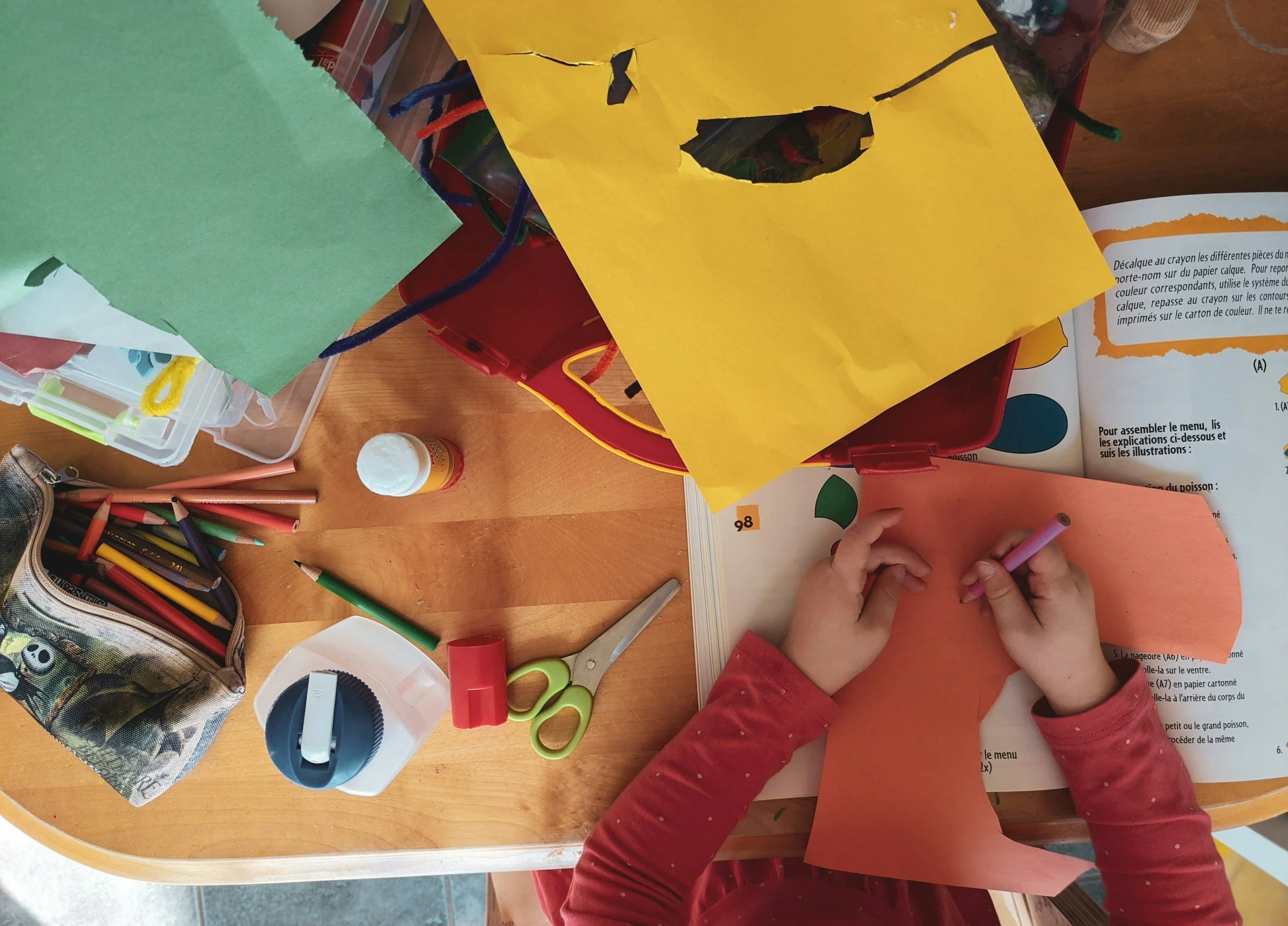
Our sessions are filled with games, toys, drawings, and activities to keep your child engage and make therapy fun. With their short attention span, keeping them busy will help teach them skills and concepts that words alone cannot do. Whether your child is meeting with the therapist in person in Burlington or online, the therapist will prepare activities that they can enjoy either way.
Parent/ Caregiver Involvement
Our sessions with your children are kept confidential. Your child may talk to you about what they are learning in sessions. The therapist may also want a few sessions throughout the course of therapy to ensure you are also kept on the same page and are aware of new skills they are learning so they can practice it at home.
Our therapist are trained and experienced to work specifically with children. Book a consult today to speak with a child therapist.
Child Therapists in Burlington and Calgary
-
![]()
Aisha Khan
CANADIAN CERTIFIED COUNSELLOR
In-person session in Calgary and online across Canada
Work with children ages 5+
Experience working in school setting as a counsellor
-
![]()
Maria Carreon
REGISTERED PSYCHOTHERAPIST (Qualifying)
In-person session in Calgary and online across Canada
Work with children ages 5+
Experienced working with child and family therapist
-
![]()
Nishtha Rathod
REGISTERED PSYCHOTHERAPIST (Qualifying)
In-person sessions in Burlington and online across Canada
Work with children ages 5+
Experience working as a teacher
-
![]()
Vidhi Joshi
REGISTERED PSYCHOTHERAPIST
In-person session in Burlington and online across CanadaWork with children ages 10+
-
![]()
Andrew Grewal
REGISTERED PSYCHOTHERAPIST (Qualifying) and CLINICAL INTERN
In-person session in Burlington and online across Canada
Work with children ages 10+
-
![]()
Samantha Burns
REGISTERED PSYCHOTHERAPIST
In-person session in Burlington and online sessions across Canada
Work with children 10+





How Children Counselling Can Help
✓ Creating healthy communication styles and healthy boundaries
✓ Defining /reconnecting with family members
✓ Navigating family dynamics and situations
✓ Self-harm, suicidal thoughts, depression, anxiety etc
✓ Regulating emotions such as anger and irritability
✓ Self-esteem issues, self-confidence, identity/ finding oneself
✓ Overcoming unhealthy/ negative patterns
✓ Trauma/PTSD, Grief, Relationship Issues, and mental health concerns
✓ School and peers related issues, such as bullying, peer relationships, academic/peer pressure
And more...
WHERE TO FIND US3 Locations Across Canada
In-person therapy in Burlington, London, and Calgary - or meet your therapist virtually from anywhere in Canada.
Burlington
📍980 Fraser Dr. Unit 109
Burlington, ON L7L 5P5
Ontario
📍 Serving Burlington, Oakville, Hamilton & GTA More info
Ontario
📍 Serving London & Surrounding Areas. More info
Calgary
📍1816 Crowchild Trail NW, 7th Floor
Calgary, AB T2M 3Y7
Alberta
📍 Serving Calgary & Alberta. More info
💻 Online Therapy
Available Across All of Canada
Connect with your therapist from anywhere. Secure, confidential, and flexible.
All therapists offers online sessions.
Don’t wait for things to get worst!
We offer a 20 mins FREE consultation call so we can discuss how therapy can help you.